
Introduction
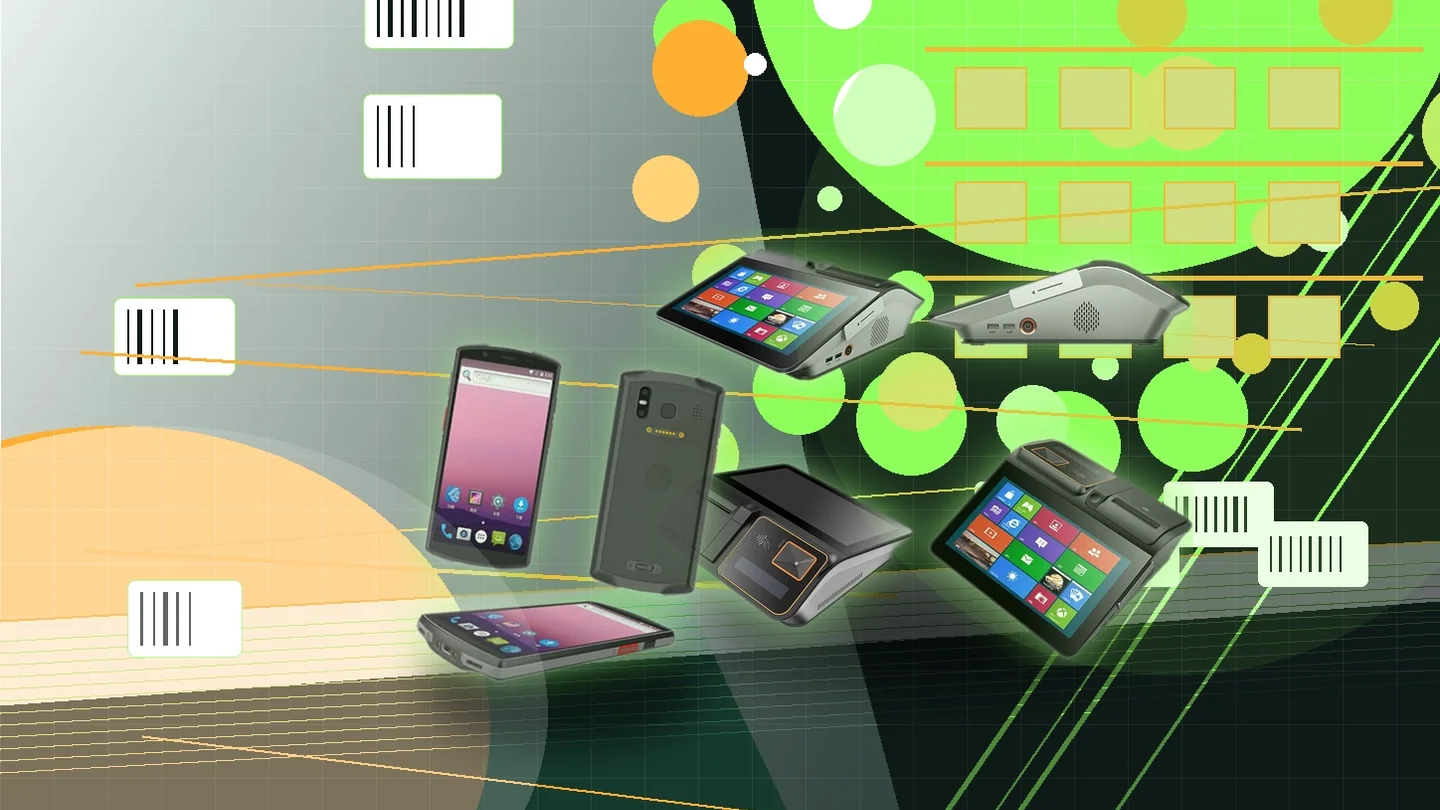
Mobile terminals in warehouses and mobile operations is not only about choosing a single device. It is about the way the checkout, counter, warehouse or service desk works throughout the day. The right hardware reduces waiting time, keeps daily work predictable and helps employees serve customers without unnecessary friction.
Real business use
Retail environments usually focus on quick checkout, readable receipts, reliable scanning and a tidy counter. Hospitality teams need equipment that keeps working during peak hours and stays simple for staff. Warehouses and logistics teams depend on labeling, inventory workflows, mobility and consistent barcode reading.
What to consider
Before choosing equipment, check media format, interface options, software support, driver support, warranty expectations and consumables. For devices used every day, ergonomics, cable routing, counter space and simple paper or label replacement matter just as much as headline specifications.
Connectivity and support
USB is often the simplest choice for one workstation, LAN works well when a device is shared, Bluetooth supports mobile scenarios and serial interfaces remain important in existing professional installations. The MicroPOS catalog covers different workflows, from compact checkout points to more demanding operational setups.
Recommendation
The best choice starts with the process, not only the specification sheet. Consider what needs to be printed, scanned or verified, how often the device is used, who operates it and which software must support it. From there it becomes easier to compare MicroPOS categories and choose hardware that fits the actual workspace.

